
DARPA’s DRACO nuclear propulsion project ROARs no more
DRACO began life in 2020 with the moniker "Reactor on a Rocket," or ROAR — a name agency scientists later decided might garner negative attention.
DRACO began life in 2020 with the moniker "Reactor on a Rocket," or ROAR — a name agency scientists later decided might garner negative attention.

"[T]his capability is so important to where we're headed in the next couple of years, with having the capacity to make the SCN [Satellite Control Network] stand up to all the new systems that are coming and all the new mission requirements that they're going to have," Hammett told Breaking Defense.


Blending superior optics, advanced stabilization and AI-powered autonomy in a compact and rugged system, ASELFLIR 600 delivers unmatched intelligence, surveillance and reconnaissance (ISR) capabilities.

On the eve of the third annual Space Mobility Conference here, supporters of Defense Department investment in technologies to enable what SPACECOM calls "dynamic space operations" are facing a recent cooling of near-term interest from senior Space Force officials.

'I think there [are] things that we will need to be able to, I guess I'll say, 'dogfight' in space," Lt. Gen. Doug Schiess, commander of Space Forces - Space, the Space Force unit that undertakes operations for US Space Command, told reporters on Wednesday.

US Space Command has been clamoring for new technology to enable "dynamic space operations," which include "sustained" maneuvering that doesn't eat up fuel to allow US military spacecraft and satellites to outrun suspect adversary satellites — or potentially be able to chase those suspect birds down both to assess any threats and possibly take action to neutralize them.

"I'm not criticizing ATLAS, but on the record, if it doesn't get there on time, I'm gonna find an alternative, because that's why I exist," Space RCO Director Kelly Hammett told Breaking Defense.


Consolidate network monitoring, performance management, and fault isolation into a single, comprehensive solution.

The SCAR program is being seen as more urgent for keeping satellite communications flowing as top brass have begun to worry more about possible great power conflict with China and/or Russia, Space Rapid Capabilities Office Director Kelly Hammett told Breaking Defense.

Gen. Stephen Whiting revealed that the command has just submitted to the Joint Force its FY27 "integrated priorities list" — an annual compendium of requirements put together by each combatant command to "inform the services and defense agencies of our warfighting needs as they prepare their budget and acquisition plans."
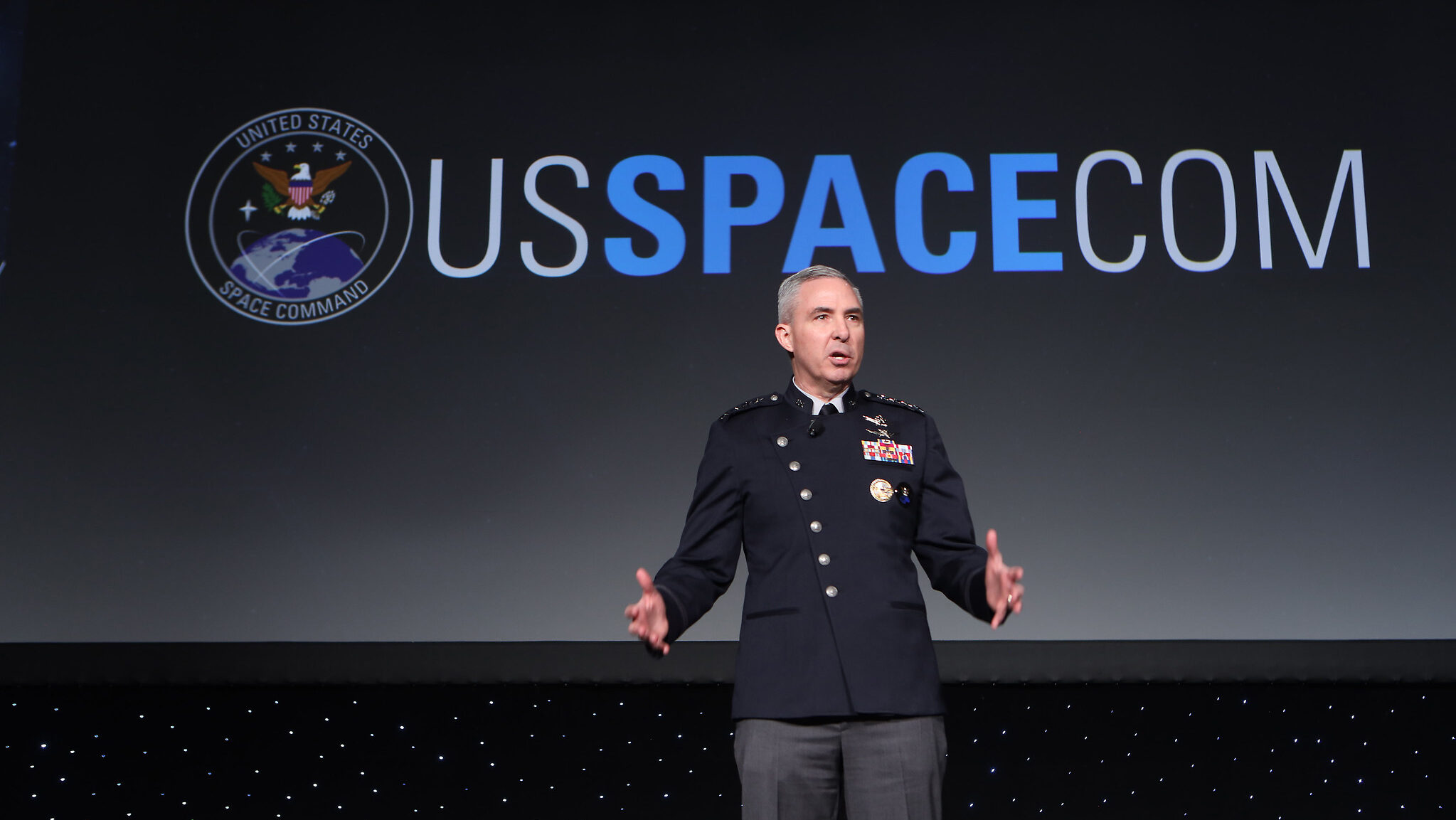
Space domain awareness is one of the mission areas that SPACECOM Commander Gen. Stephen Whiting said currently needs improved command and control capabilities.

Under the contract, SpRCO's Rapid Resilient Command and Control project, nicknamed R2C2, will buy ground software in "bite-sized pieces" to support new Space Force satellites capable of rapid and sustained maneuver.


Cybersecurity skills must evolve in near-real time as Zero Day threats continue and AI provides new challenges.

"I think the US national security community is going to shape commercial space for the foreseeable future," Carissa Bryce Christensen, CEO of BryceTech, told Breaking Defense.

Lt. Gen. Shawn Bratton, who has been charged to establish the new Space Force Futures Command, said cislunar and dynamic space operations are areas for the command's scrutiny, since neither have yet proven their 'military utility."

Lars Hoffman, Blue Origin's vice president of national security sales, said that a viable commercial market for space mobility and logistics "doesn't exist right now."

"We can't expect to bridge the valley of death through S&T programs, and industry accelerator programs. ... We need to identify and prioritize resources, funding and personnel," said Diane Howard, National Space Council head of commercial space policy.